I Feel Angry: A Social Story for Managing Big Emotions
Emotional regulation is a critical skill that children must develop to navigate the complexities of daily life. "I Feel Angry: A Social Story About Managing Big Feelings" is a valuable resource designed to help young readers understand and manage their emotions effectively. This book serves as a practical tool for parents, educators, and therapists who are committed to fostering emotional intelligence in children.
Understanding the Role of Social Stories in Emotional Development
Social stories are an effective method for teaching children about social situations and emotional responses. They provide a structured narrative that helps children visualize and understand appropriate behaviors. "I Feel Angry" fits into this framework by presenting a relatable scenario that mirrors real-life experiences. The story introduces children to the concept of anger, helping them recognize when they feel upset and why.
This approach supports the broader process of emotional growth by offering a safe space for children to explore their feelings. It encourages them to reflect on their actions and consider alternative responses, which is essential for developing self-awareness and empathy.
Integrating "I Feel Angry" into Daily Routines
The versatility of "I Feel Angry" allows it to be used at various stages of a child's development. Before a challenging situation, the story can serve as a preparatory tool, helping children anticipate potential emotions and plan strategies for managing them. During a difficult moment, it can act as a reminder of the coping techniques discussed, providing immediate support.
After an emotional episode, the book can facilitate reflection and discussion. Parents and educators can use it to review what happened, identify triggers, and reinforce positive behaviors. This integration ensures that the lessons learned from the story are applied consistently in real-world contexts.
Practical Strategies for Emotional Regulation
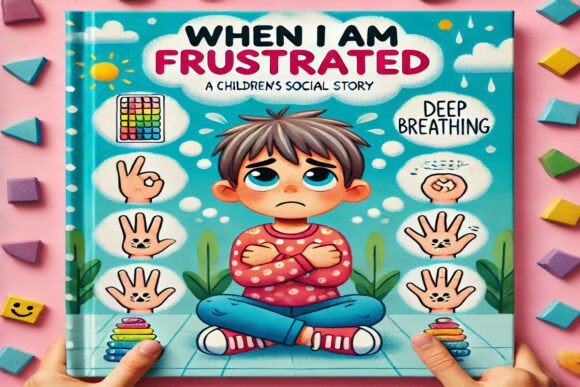
"I Feel Angry" includes practical strategies such as deep breathing and counting to 10. These techniques are simple yet effective, making them accessible for children of various ages. By incorporating these methods into daily routines, caregivers can help children build a toolkit of coping mechanisms that they can use independently.
Additionally, the story promotes problem-solving skills. It encourages children to think about solutions rather than focusing solely on the problem. This mindset shift is crucial for developing resilience and confidence in handling future challenges.
Collaboration with Other Resources and Methods
"I Feel Angry" works well in conjunction with other tools and resources aimed at emotional development. For instance, it can complement mindfulness practices, sensory activities, or role-playing exercises. When used alongside these methods, the story enhances the overall effectiveness of emotional learning programs.
It also aligns with social-emotional learning (SEL) frameworks that emphasize self-control, emotional regulation, and interpersonal skills. Educators can integrate the story into lesson plans, while therapists can use it as part of a therapeutic intervention strategy. This adaptability makes it a valuable asset in diverse settings.
Workflow Examples and Implementation Tips
For educators, "I Feel Angry" can be incorporated into classroom activities. Teachers might read the story during circle time, followed by a discussion on identifying emotions and practicing calming techniques. This approach not only reinforces the story's message but also fosters a supportive classroom environment.
Parents can use the book during moments of frustration or conflict. Reading the story together can provide a shared experience that strengthens the parent-child bond while addressing emotional needs. It also offers an opportunity to model healthy emotional responses.
Therapists may find the story useful in sessions focused on emotional regulation. It can serve as a starting point for conversations about feelings, triggers, and coping strategies. The visual elements and simple language make it suitable for children with varying levels of cognitive ability.
Considerations for Effective Use
When implementing "I Feel Angry," it is important to consider factors such as preparation, compatibility, and usability. Caregivers should familiarize themselves with the story's content and themes to ensure they can guide discussions effectively. This preparation helps create a more meaningful and impactful learning experience.
Compatibility with other resources is also essential. The story should align with existing curricula, therapy approaches, or home routines. Ensuring consistency across different platforms helps reinforce the lessons learned and supports long-term emotional growth.
Usability is another key factor. The book's design, including its layout and illustrations, should be engaging and easy to understand. A visually appealing format can capture children's attention and enhance their engagement with the material.
Long-Term Benefits and Consistency
Consistent use of "I Feel Angry" can lead to long-term benefits for children. As they repeatedly engage with the story and its strategies, they develop a stronger understanding of their emotions and how to manage them. This consistency builds a foundation for emotional resilience and self-regulation.
Moreover, the story's focus on problem-solving and self-control contributes to a child's overall development. These skills are transferable to various aspects of life, including academic performance, social interactions, and personal relationships. By investing in emotional education, caregivers and educators set the stage for lifelong success.
Conclusion: Enhancing Emotional Growth Through "I Feel Angry"
"I Feel Angry: A Social Story About Managing Big Feelings" is a powerful tool for helping children understand and manage their emotions. Its practical approach, combined with relatable storytelling, makes it an invaluable resource for parents, educators, and therapists. By integrating this book into daily routines and learning environments, caregivers can support children in developing essential emotional skills.
The story's adaptability and alignment with broader emotional development goals make it a versatile addition to any educational or therapeutic setting. With consistent use and thoughtful implementation, "I Feel Angry" can play a significant role in fostering emotional intelligence and resilience in young learners.